
~3.0 minute read
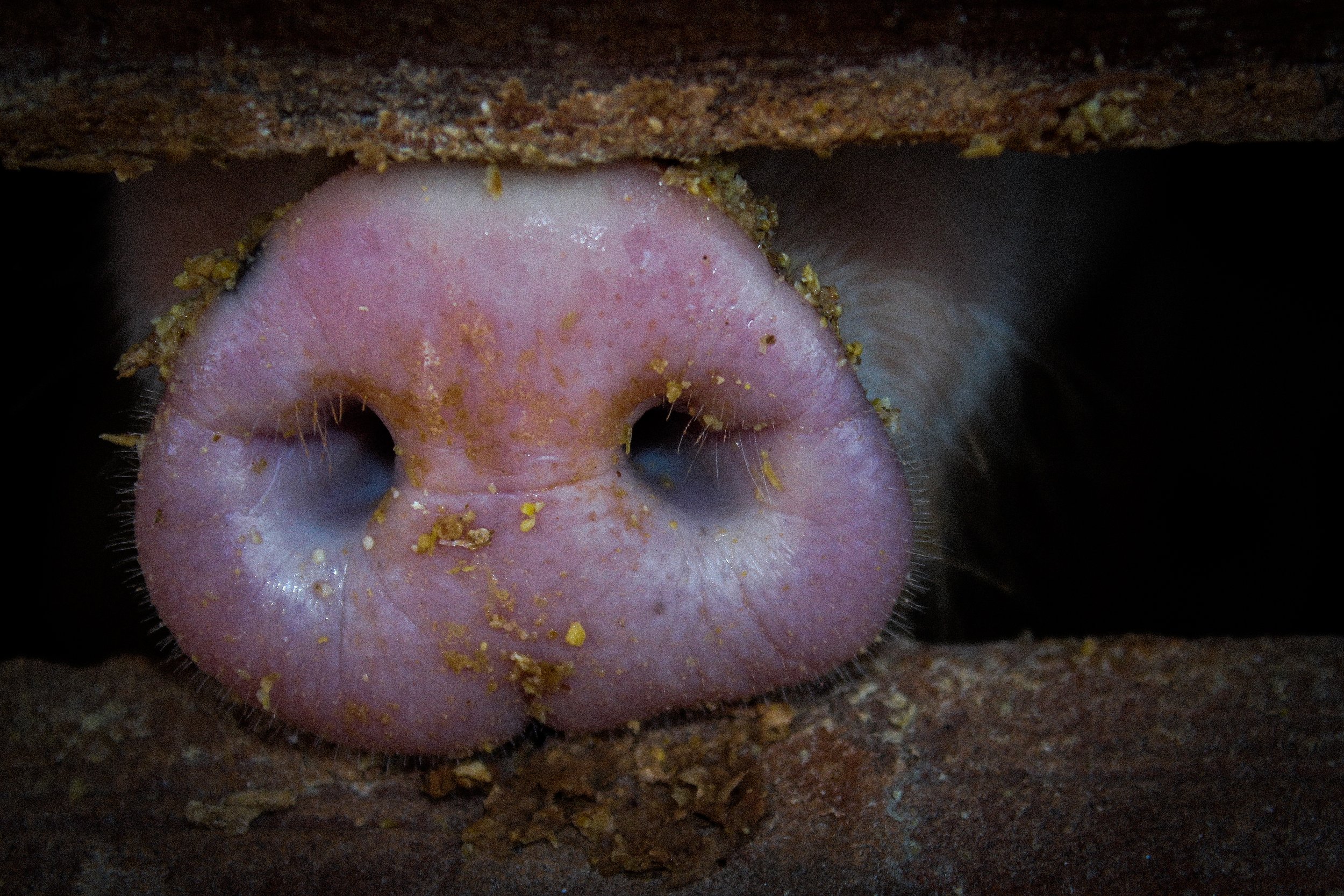
Photo via Public Domain Archive
Every five years, Congress does not pass an isolated bill that covers only agricultural policy but instead a comprehensive omnibus bill that combines multiple sectors like food, agricultural, and environmental law. But because of intense partisan gridlock, the latest version of this omnibus bill, the Agriculture Improvement Act, expired about three years ago in 2023. Even though lawmakers relied on a series of multiple short-term extensions for the Agriculture Improvement Act, those extensions eventually lapsed in September 2026, leaving the House of Representatives to narrowly pass the Farm, Food, and National Security Act of 2026 on April 30th by a tight 224 to 200 vote. If the Senate passes a version of this omnibus bill, the legislation will remain active from 2026 until 2031, effectively reviving a core framework of the previously failed Ending Agricultural Trade Suppression (EATS) Act under the rebranded Save our Bacon Act.
In 2025, the EATS Act nearly stripped individual states of their authority to ban the sale of agricultural goods produced through extreme corporate cruelty by targeting state policies like California’s Proposition 12 and Massachusetts’s Question 3 until it was ultimately struck down in the House of Representatives. Similarly, the King Amendment in 2013 and the Protect Interstate Commerce Act in 2018 failed to clear both houses of Congress and were eventually excluded from the final Agriculture Improvement Act of 2018 because they also wanted to replace local animal welfare laws in favor of corporate industrial agriculture. Despite the Save our Bacon Act directly mirroring the EATS Act, the House of Representatives still passed it because corporate interests strategically exempted egg-laying hens to divide the agricultural opposition. By winning the neutrality of the massive egg industry, the pork lobby could more easily target and weaken pig and calf animal welfare protections.
However, the Save our Bacton Act not only affects pigs and calves, but it also threatens chickens, ducks, geese and other farm animals trapped in lifetime captivity. Faced with the extreme stress and frustration caused by their severely restricted environments, investigators have routinely documented these animals chewing frantically on their metal enclosures until their mouths are stained with blood. Even though National Geographic has been reporting this animal abuse since the early 2000s, corporate lobbying still wants further deregulation with Sara Amundson, chief U.S. governments relation officer for Humane World for Animals, criticizing that “there are some lawmakers in Congress who [still] want to force breeding pigs into tiny crates, even though states across the country already have laws that prevent this cruelty.”
Yet, this lack of protection for farm animals creates a stark paradox against companion animals. Under the updated Animal Welfare Act passed earlier this year, research and breeding dogs must be provided medical care, exercise, and socialization while cats enjoy enhanced housing standards and strict protection from the slaughter trade. Even though three US Senators have recently revoked their sponsorship of the Farm, Food, and National Security Act of 2026, it is unlikely that President Trump will share their sentiments. Earlier during his presidency, he reversed a ban on a toxic pesticide, deregulated water and air monitoring for corporate agricultural facilities, reduced mandatory fruit and vegetable portions in school lunches, exempted industrial livestock operations from reporting hazardous waste spills to emergency agencies, and ordered meatpacking plants to stay open during the COVID-19 pandemic. Given President Trump’s pro-business and anti-regulation stance, he can potentially veto the Farm, Food, and National Security Act of 2026 unless it includes the Save our Bacon Act provision, ensuring that the final package aligns with his ongoing agenda to systematically dismantle state-level restrictions on industrial livestock operations. This move will not only threaten surrounding ecosystems, but it will also undercut critical protections for endangered wild species in those areas. With the 2026 Farm Bill labeled as a must-pass legislation that dictates billions of dollars in essential food safety nets and agricultural stability, corporate lobbyists from the National Pork Producers Council are weaponizing this administrative urgency to deceptively repackage their EATS Act as the Save our Bacon Act. Even though US Department of Agriculture Secretary Brooke L. Rollins claims that the Farm, Food, and National Security Act of 2026 “will lay out new standards to improve animal welfare”, the inclusion loophole of the Save our Bacon Act will do the exact opposite. By confining mother pigs and baby calves into tiny, painful cages, the bill encourages excessive animal cruelty while revoking long-standing animal rights. This policy will not only betray basic humane values, but it will also replace previously successful protection measures with empty political rhetoric while millions of farm animals are exposed to worse living conditions.