
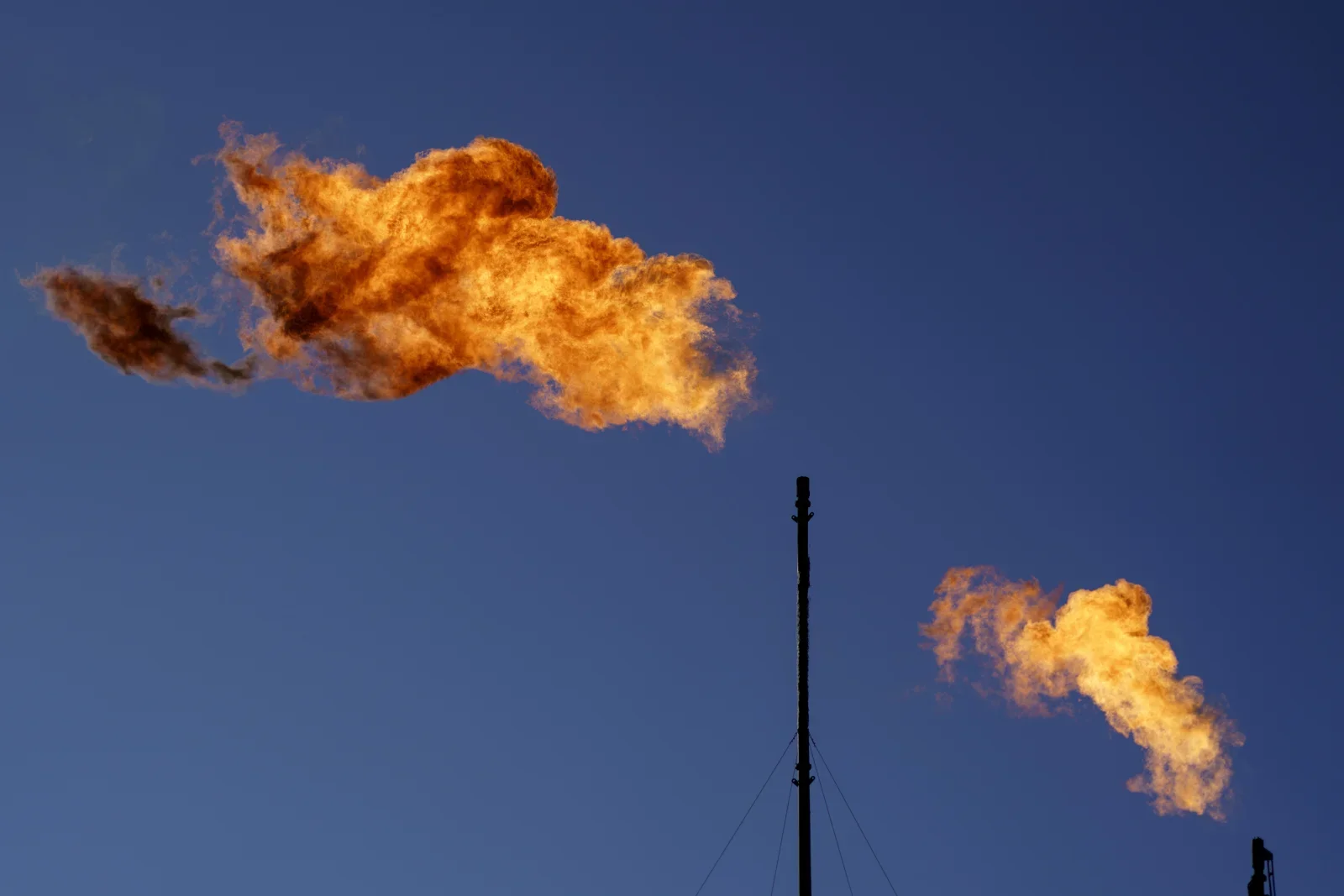
Photo by David Goldman from AP News
Despite methane being the second most abundant greenhouse gas after carbon dioxide for the past two centuries, it contributes to astronomically higher levels of trapped heat in the atmosphere, leading to increased heat waves, stronger storms, and accelerated global warming. When comparing the two gases in a twenty-year time frame, scientists estimate that methane traps over 80 times more heat in the atmosphere. Because of this, former President Biden sought to drastically reduce projected methane emissions from U.S. oil and gas operations by nearly 80% by 2038, especially since this particular greenhouse gas can cause or worsen respiratory problems, heart disease, cancer, and stroke. Even though former President Obama passed similar legislation, Biden’s 2024 methane rule under the Clean Air Act focused not only on new American oil and gas wells, but also pre-existing marginal wells. Despite the low production volume from marginal wells, they still make up about four out of every five active wells in the nation. At the center of Biden’s 2024 methane rule, though, was its Super Emitter Program, which required EPA-certified third parties to detect and report massive methane leaks from oil and natural gas facilities using satellites and aerial sensors.
Yet about two and a half years later, the Trump administration’s Environmental Protection Agency (EPA) proposed rolling back Biden’s 2024 methane rule to “unleash an estimated 210 million additional barrels of oil and 1.41 trillion cubic feet of natural gas” and spur domestic energy production according to their latest news release in October 2026. Not only does the EPA plan to dismantle Biden’s work regarding methane emissions, but it also wants to weaken oversight over dispatching methane control alerts, performing visible emissions tests, and tracking flare monitoring gaps. Since these changes favor oil and gas drilling companies, who are responsible for being the largest industrial sources of methane, many of their executives have expressed their support for the Trump Administration. Rather than pursuing an energy subtraction agenda similar to the former Biden administration, these companies can instead resume harvesting oil and natural gas without financial and regulatory repercussions. By doing so, President Trump claims that this move will save both consumers and energy producers about $45 billion.
In spite of winning the approval of numerous oil and natural gas companies and “the left’s war on reliable, affordable, secure energy” according to National Energy Dominance Council Executive Director Jarrod Agen, this sweeping rollback from Trump’s EPA sparked immense backlash from several environmental groups and leaders. Even emeritus professor Charles Driscoll of environmental systems and engineering from Syracuse University weighed in, stating that the EPA’s latest actions are “part of a thematic effort to roll back air quality standards… so he’s been working hard to try to roll back any sort of carbon control measures that have been implemented previously or might be implemented in the future.” For example, the EPA already repealed similar emission rules for vehicles despite them being currently ranked as the worst polluters in the US back in February. Then about seven months later in September, the EPA also loosened restrictions on greenhouse gas emissions for power plants, the nation’s second-largest source of climate pollution.
With July 2026 already being the hottest month on record in the US and last year being the third hottest year in modern history, several environmental groups and state coalitions, including a group of 21 states and four cities led by New York Attorney General Letitia James, have filed pending lawsuits against the EPA over its earlier methane delays and emission rollbacks. By challenging these federal rollbacks in court, states and environmental advocates are questioning whether short-term financial drilling gains are worth trading irreversible damage for excessive methane leaks before their warming impact becomes a catastrophe for human health and our planet.
