
Dividing a Dying River: Who will pay the price for a Shrinking Colorado River?
~3.5 minute read
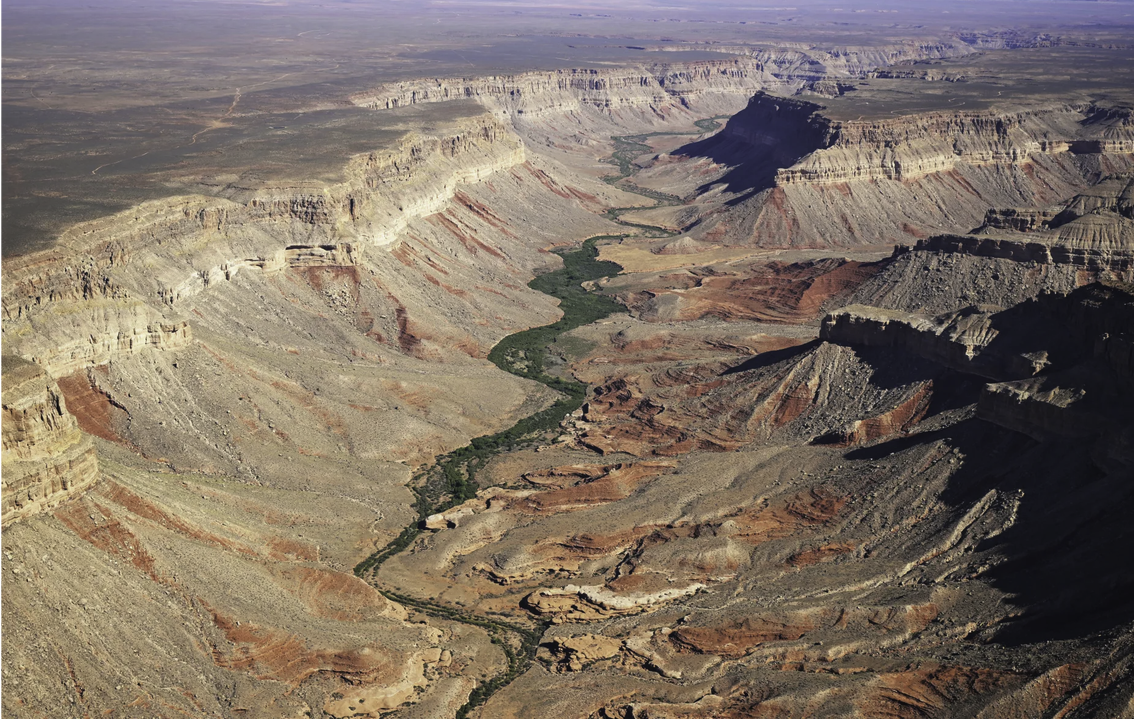
Photo by RJ Sangosti from The Denver Post
For more than a century, 40 million people and 30 tribes have relied on the Colorado River as their main water supply following the introduction of the 1922 Colorado River Compact with the Lower Basin states California, Nevada, and Arizona receiving 50% of the Colorado River’s 15 million acre-feet of water and the Upper Basin states Colorado, Wyoming, Utah, and New Mexico receiving the other 50%. With the latest Colorado River Plan from 2007 set to expire by the end of this year, though, heated discussions have erupted between the Upper and Lower Basin states regarding severe water conservation solutions because only 40% of the river’s water remains.
Since an agreement has not been reached between the Lower and Upper Basin states about the ongoing water shortage for the past three years, the federal government’s U.S. Bureau of Reclamation intervened with a proposed ten year-long plan i.e. the Final EIS earlier this year. Their plan is to build an adaptive framework that will be revised every two years over the next ten years to mandatorily cut the Lower Basin’s usage of Lake Powell by up to three million acre-feet per year while the Upper Basin can choose to follow a similar suit by limiting their water usage to 200,000 acre-feet per year so that Lake Powell and Lake Mead are above deadpool levels with more than 23% and 27% of their water levels left respectively.
However, Lower Basin states such as Arizona and Nevada have heavily criticized it for being unrealistic and unacceptable, claiming that this drafted plan by the U.S. Bureau of Reclamation is unfairly punishing them for overusing their allocations for more than the past few years. Not only would Lower Basin states have to drastically reduce their water consumption levels from the current 7.5 million acre-feet to the now proposed three million acre-feet under the Final EIS, but water cuts would not be mandatory to the Upper Basin States. Additionally, Upper Basin states have an unfair advantage because they can channel more than enough water from alternative bodies like the Blue Mesa, Flaming Gorge, and Navajo tributaries. Even though the Lower Basin states also have similar water source alternatives, the reality is that none of them can match how much water they’ve received from the Colorado River’s Lake Mead and Lake Powell in the past.
After the US Department of the Interior released its final Colorado River management plan while refusing to re-consider the Lower Basin states’ severe water cuts, Nevada responded by being the first state to sue the department over it. Despite Las Vegas having the most aggressive water conservation program and Nevada already having the lowest water use among the other Basin states, Nevada will still experience one of the deepest water cuts from its original 300k acre-feet allocation to the recently finalized ~85k acre-feet. Still, Colorado River officials are reluctant to involve the courts given how costly and time-consuming it would be to finally reach a verdict as to who is right: the US Department of the Interior or Nevada. With the conservation management plan being renewed every two years, that verdict might not even be reached until more than a few decades later according to experts familiar with water court battles. Whether or not Arizona joins Nevada in its pending lawsuit against the US Department of the Interior or even files its own in spite of referring to the lawsuits as a last resort, Southern Nevada Water Authority General Manager John Entsminger emphasized that “conservation has its limits, and there is just no way to meet even the basic needs of this community with the volume of water Interior has proposed.”
Despite the CBD and NAACP’s unsuccessful lawsuits against Musk and the FAA, the Federal Communications Commission (FCC) is still accepting formal comments from the general public here regarding whether or not passing the Enabling Competition in the Commercial Space Industry executive order justifies significantly poorer water and air quality and the possible extinction of certain endangered species until August 31, 2026.
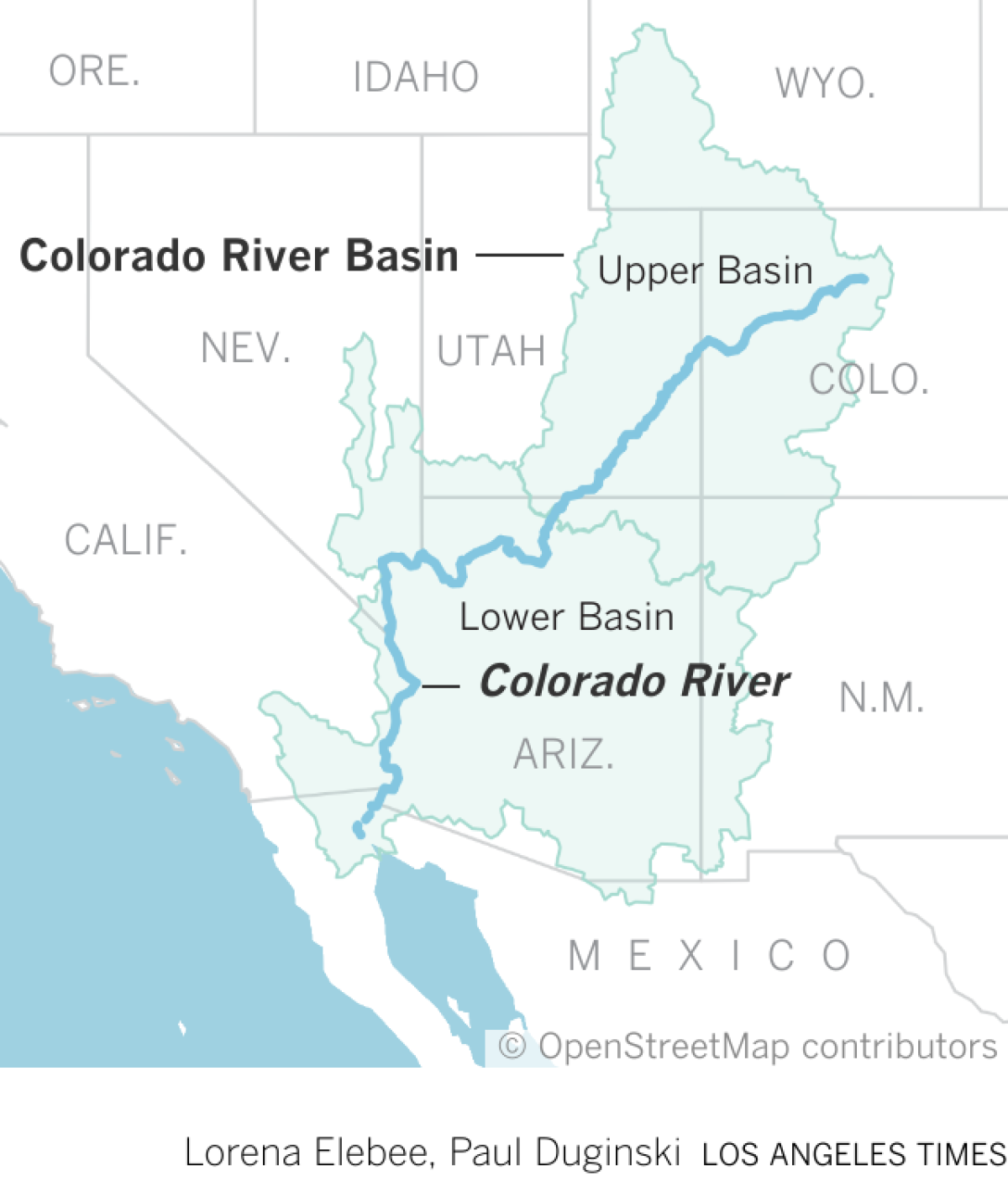
Map Graphic by Lorena Elebee and Paul Duginski on Los Angeles Times